
- Your cart is empty
- Continue shopping
-
Store Admin
- Posted on
- Categories:Public
- 0 comments
The transformation of gambling a historical journey through time
Ancient Beginnings of Gambling
The history of gambling dates back thousands of years, with evidence found in ancient civilizations such as Mesopotamia, China, and Egypt. Archaeological discoveries, including dice made from animal bones, suggest that games of chance were a popular form of entertainment. These early forms of gambling often held cultural significance, serving not just as a pastime but also as a means of divination and decision-making. This interest in games has even led some to explore options like online slots real money to enhance their gaming experiences.
In ancient China, the practice of gambling can be traced to around 2000 BC, where games involving tiles are documented. Similarly, in Roman society, gambling was widespread, with various games and betting activities enjoyed by all social classes. This deep-rooted historical context establishes the foundation for gambling as an integral aspect of human culture.
The Rise of Casinos in Europe
The emergence of modern casinos can be traced to the 17th century in Italy, where the term “casino” originally referred to a small house for pleasure. By the 18th century, the popularity of gambling establishments expanded throughout Europe. The Casino di Venezia, established in 1638, is recognized as the world’s first casino, paving the way for similar establishments in cities like Monte Carlo and Paris.
These European casinos introduced structured games and regulations, creating a more formal atmosphere for gambling. The sophistication of these venues attracted the elite, and the glamour associated with them contributed to the perception of gambling as a luxurious and refined activity.
Gambling in America: From the Wild West to Las Vegas
As gambling spread to America, it took on various forms, reflecting the diverse cultures of its inhabitants. In the 19th century, establishments in the Wild West provided opportunities for mining camps and towns to engage in gambling, often filled with high stakes and colorful characters. This era established gambling as a symbol of risk and adventure, intricately linked to the American spirit.
The turning point for gambling in America came with the establishment of Las Vegas in the 20th century. The legalization of gambling in Nevada in 1931 led to the creation of extravagant casinos that became synonymous with entertainment and luxury. Las Vegas transformed the gambling landscape, positioning itself as a global hub where millions flock to experience the thrill of the game in an opulent setting.
The Digital Revolution and Online Gambling
The late 20th century saw the advent of the internet, revolutionizing how gambling was conducted. Online casinos began to emerge in the 1990s, offering players the convenience of betting from the comfort of their homes. This shift not only expanded the reach of gambling but also diversified the types of games available, catering to a broader audience.
Today, online gambling includes a myriad of options, from virtual poker rooms to live dealer games that replicate the experience of being in a physical casino. The rise of mobile technology further facilitated access, allowing users to gamble anytime and anywhere, thereby reshaping the gambling landscape in unprecedented ways.
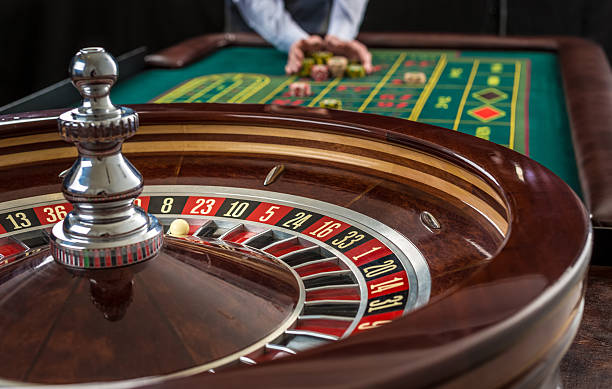
Modern Gambling: A Comprehensive Overview
The evolution of gambling reflects broader societal changes, including shifts in technology, culture, and legislation. With a plethora of options available, the modern gambler enjoys an array of experiences, from traditional casino games to innovative online platforms. Responsible gambling has gained importance, with many jurisdictions implementing regulations to protect players.
As gambling continues to evolve, it remains a fascinating intersection of entertainment, culture, and technology. Whether in brick-and-mortar establishments or online, the journey of gambling through time showcases its enduring appeal and adaptability, ensuring its place in contemporary society.
